老子
Laozi (Chinese: 老子; pinyin: Lǎozǐ; Wade–Giles: Laosi; also Lao Tse, Lao Tu, Lao-Tzu, Lao-Tsu, Laotze, Lao Zi, Laocius, and other variations) was a mystic philosopher of ancient China, and is a central figure in Taoism (also spelled "Daoism"). Laozi literally means "old master", and is generally considered honorific. Laozi is revered as a deity in most religious forms of Taoism. Taishang Laojun is title for Laozi in the Taoist religion, which refers to him as "One of the Three Pure Ones". According to Chinese tradition, Laozi lived in the 6th century BC. Historians variously contend that Laozi is a synthesis of multiple historical figures, that he is a mythical figure, or that he actually lived in the 4th century BC, concurrent with the Hundred Schools of Thought and Warring States Period. A central figure in Chinese culture, both nobility and common people claim Laozi in their lineage. Throughout history, Laozi's work has been embraced by various anti-authoritarian movements. **Source**: Laozi on Wikipedia.
Books
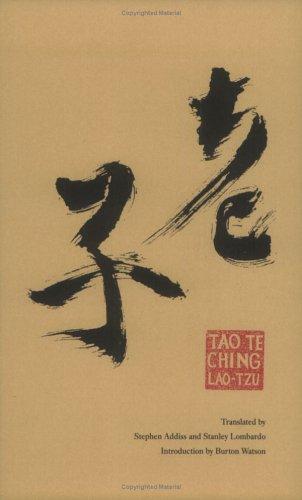
Tao te Ching
1842
ISBN 9781326336684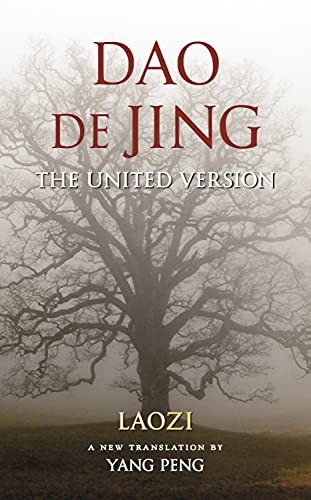
Dao de Jing
2001
ISBN 9781911253167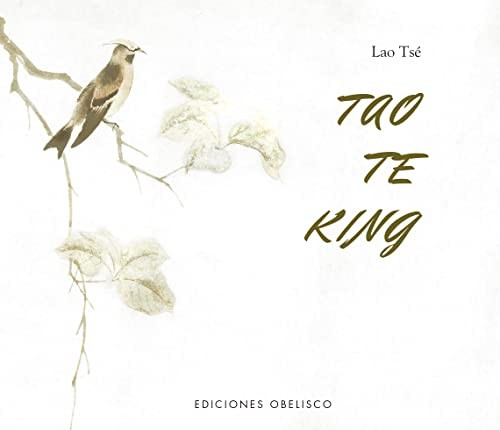
Tao Te King
2011
ISBN 9781535241724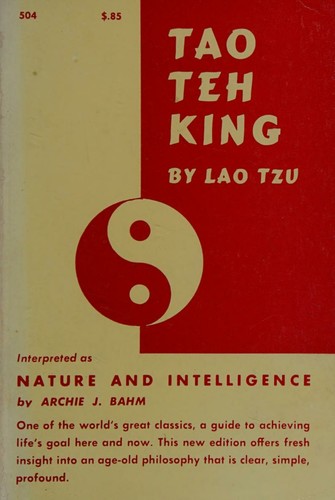
Tao teh king
1958
ISBN 9781020626777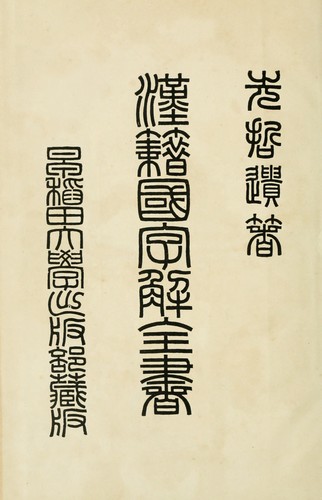
Rōshi
1910
ISBN 9784050037124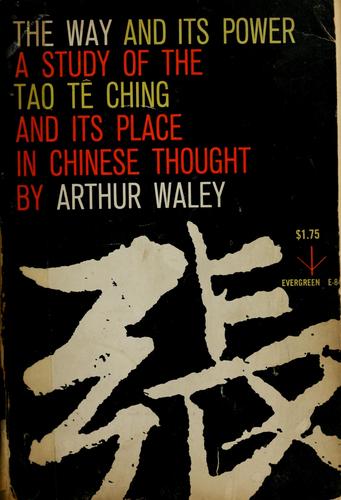
The way and its power
1934
ISBN 041810147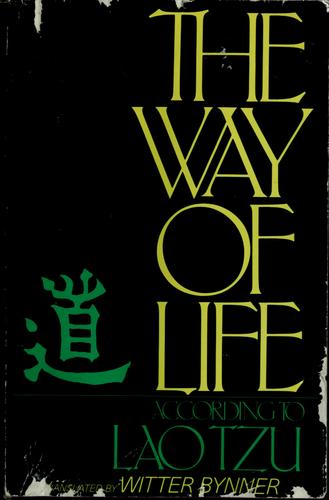
The way of life according to Laotzu
1944
ISBN 9780399512988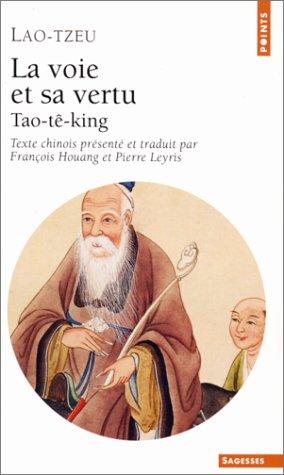
La voie et sa vertu
1949
ISBN 9782020050678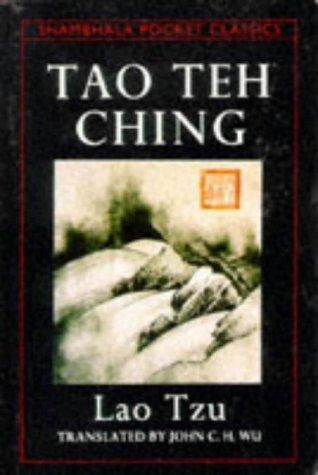
Tao Teh Ching
1961
ISBN 9781590304051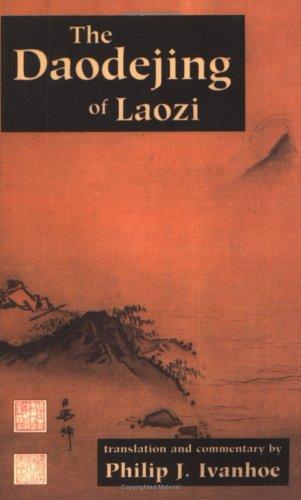
The Daodejing of Laozi
2003
ISBN 9780872207011
The Tao Teh King
2009
ISBN 9781720628194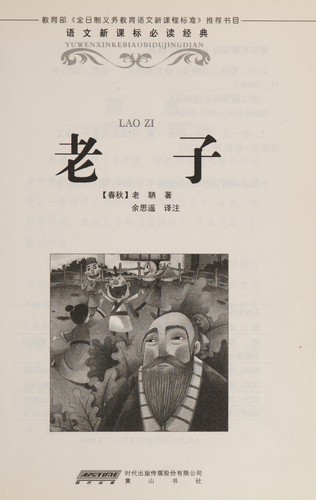
Laozi
2009
ISBN 9787508537573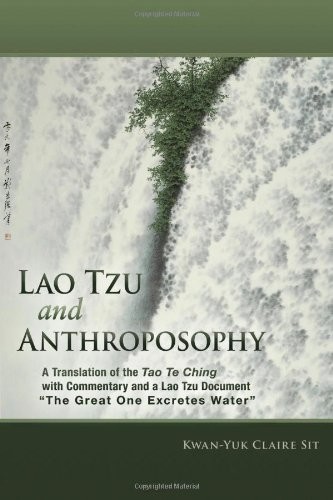
Lao Tzu and Anthroposophy
2010
ISBN 9781584200871
Lão Tử đạo đức kinh
2011
ISBN 9786045801819
Laws divine and human
2012
ISBN 9787508538945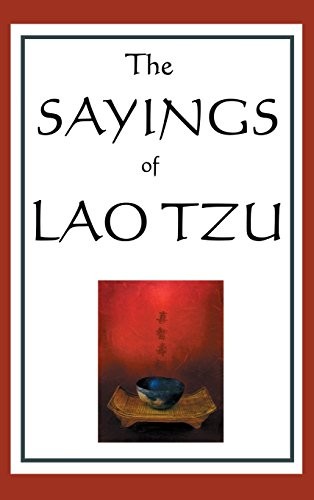
The Sayings of Lao Tzu
2013
ISBN 9798411947755
Hua-Hu-Ching
2020
ISBN 9798544940012