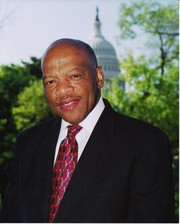
John Lewis
Often called "one of the most courageous persons the Civil Rights Movement ever produced," John Lewis has dedicated his life to protecting human rights, securing civil liberties, and building what he calls "The Beloved Community” in America. His dedication to the highest ethical standards and moral principles has won him the admiration of many of his colleagues on both sides of the aisle in the United States Congress. He has been called "the conscience of the U.S. Congress,” and Roll Call magazine has said, "John Lewis…is a genuine American hero and moral leader who commands widespread respect in the chamber.” He was born the son of sharecroppers on February 21, 1940, outside of Troy, Alabama. He grew up on his family's farm and attended segregated public schools in Pike County, Alabama. As a young boy, he was inspired by the activism surrounding the Montgomery Bus Boycott and the words of the Rev. Martin Luther King Jr., which he heard on radio broadcasts. In those pivotal moments, he made a decision to become a part of the Civil Rights Movement. Ever since then, he has remained at the vanguard of progressive social movements and the human rights struggle in the United States. As a student at Fisk University, John Lewis organized sit-in demonstrations at segregated lunch counters in Nashville, Tennessee. In 1961, he volunteered to participate in the Freedom Rides, which challenged segregation at interstate bus terminals across the South. Lewis risked his life on those Rides many times by simply sitting in seats reserved for white patrons. He was also beaten severely by angry mobs and arrested by police for challenging the injustice of Jim Crow segregation in the South. During the height of the Movement, from 1963 to 1966, Lewis was named Chairman of the Student Nonviolent Coordinating Committee (SNCC), which he helped form. SNCC was largely responsible for organizing student activism in the Movement, including sit-ins and other activities. While still a young man, John Lewis became a nationally recognized leader. By 1963, he was dubbed one of the Big Six leaders of the Civil Rights Movement. At the age of 23, he was an architect of and a keynote speaker at the historic March on Washington in August 1963. In 1964, John Lewis coordinated SNCC efforts to organize voter registration drives and community action programs during the Mississippi Freedom Summer. The following year, Lewis helped spearhead one of the most seminal moments of the Civil Rights Movement. Hosea Williams, another notable Civil Rights leader, and John Lewis led over 600 peaceful, orderly protestors across the Edmund Pettus Bridge in Selma, Alabama on March 7, 1965. They intended to march from Selma to Montgomery to demonstrate the need for voting rights in the state. The marchers were attacked by Alabama state troopers in a brutal confrontation that became known as "Bloody Sunday." News broadcasts and photographs revealing the senseless cruelty of the segregated South helped hasten the passage of the Voting Rights Act of 1965. Despite more than 40 arrests, physical attacks and serious injuries, John Lewis remained a devoted advocate of the philosophy of nonviolence. After leaving SNCC in 1966, he continued his commitment to the Civil Rights Movement as Associate Director of the Field Foundation and his participation in the Southern Regional Council's voter registration programs. Lewis went on to become the Director of the Voter Education Project (VEP). Under his leadership, the VEP transformed the nation's political climate by adding nearly four million minorities to the voter rolls. In 1977, John Lewis was appointed by President Jimmy Carter to direct more than 250,000 volunteers of ACTION, the federal volunteer agency. In 1981, he was elected to the Atlanta City Council. While serving on the Council, he was an advocate for ethics in government and neighborhood preservation. He was elected to Congress in November 1986 and has served as…
Books
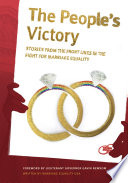
The People's Victory
2017
ISBN 9781495639067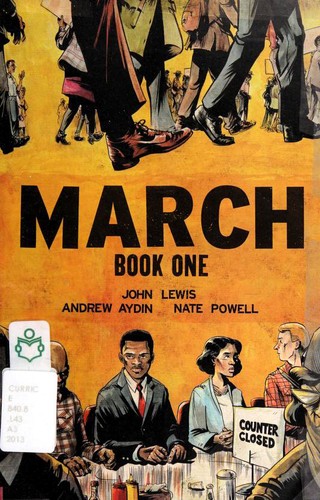
March: Book One
2013
ISBN 9781603093002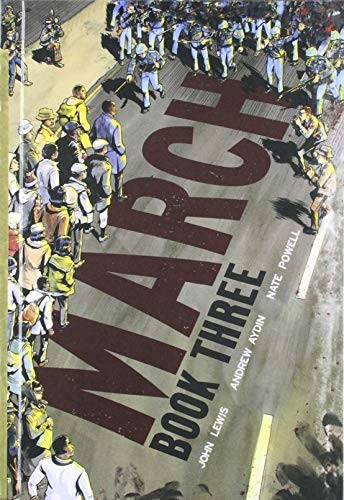
March. Book Three
2016
ISBN 9781531194802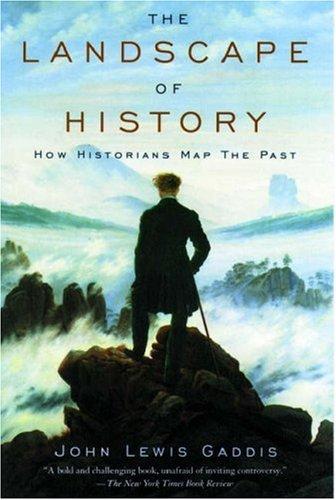
The Landscape of History
2002
ISBN 9780195171570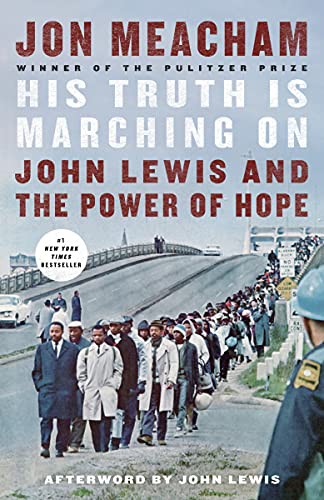
His Truth Is Marching On: John Lewis and the Power of Hope
2020
ISBN 9781984855046
Travels in Arabia
1968
ISBN 9781108022866
Without Sanctuary: Lynching Photography in America
2000
ISBN 9780944092699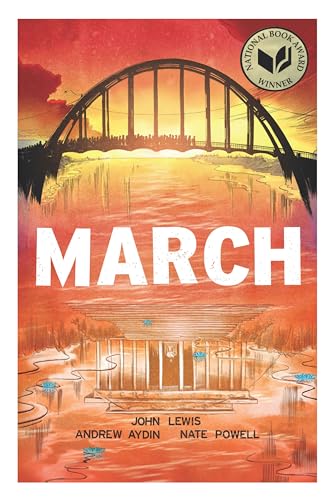
March
2013
ISBN 9781603093958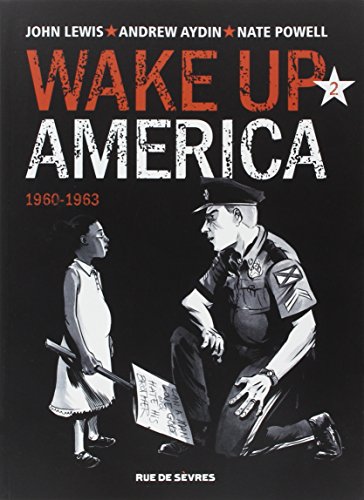
Wake up America 1960-1963
2015
ISBN 9782369810384
The United States and the origins of the Cold War, 1941-1947
1972
ISBN 9780231122399
Strategies of containment
1982
ISBN 9780195030976
We Now Know
1997
ISBN 9780198780717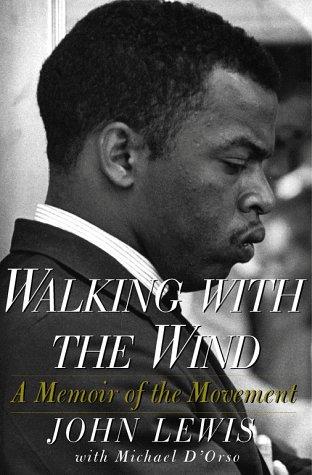
Walking with the wind
1998
ISBN 9781476797717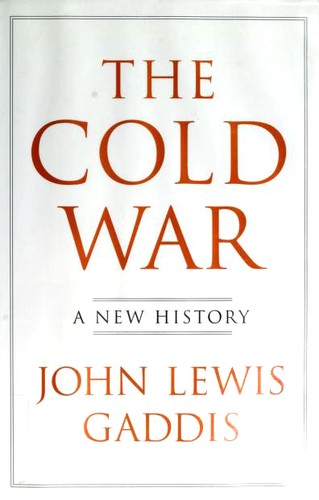
The Cold War
2005
ISBN 9781594200625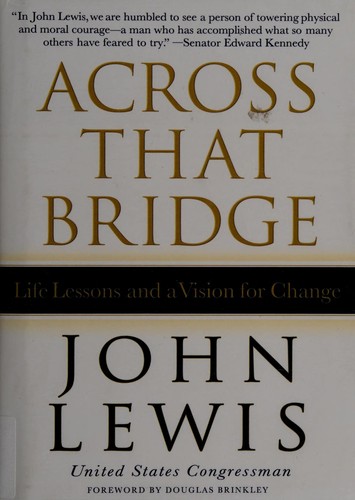
Across that bridge
2012
ISBN 9781401324117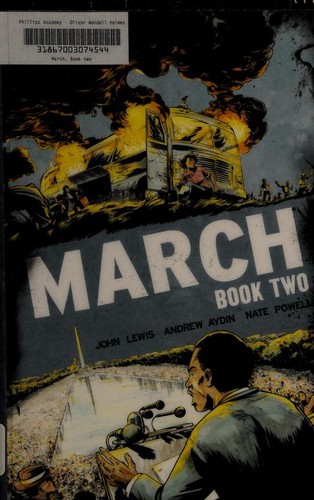
March. Book Two
2015
ISBN 9781603094009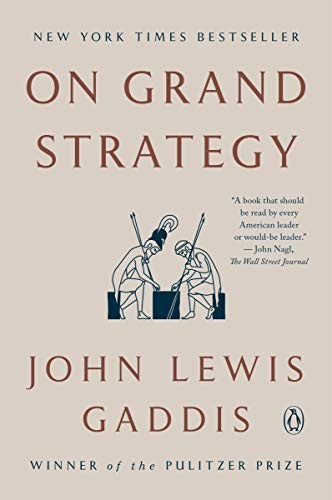
On grand strategy
2018
ISBN 9780141987224