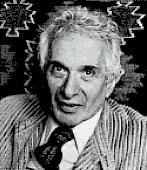
René Barjavel
René Barjavel born in Nyons, France, the son of a baker. In 1914, while his father served in World War I, his mother ran the bakery, and he was left alone much of the time to discover the world through exploration and reading. His his mother died of sleeping sickness in 1922, when he was just 11 years old, and he was sent to boarding school in Nyons. In 1923, when his father was unable to pay the school's fees to continue his studies, he became the protegé of the school's director, Abel Boisselier, and accompanied him to the college in Cusset. During his stay there, which lasted until he ran out of funds in 1927, he continued to study literature. After leaving school, he worked worked several jobs, including as a real estate agent and a bank employee, until 1929 when he became a journalist in Progress Allier in Moulins. In 1935, he met the publisher Robert Denoël, and he moved to Paris to work at Éditions Denoël. In 1936 he married Madeleine de Wattripont. While working at Denoël, he continued to work as a journalist for the weekly Le Merle Blanc, where he wrote film reviews. In 1939, he joined the war with Germany and was sent to the Pyrenees, but returned to Paris when the armistice was declared and Denoël re-opened his publishing house. During this time, his first novel, Roland, le chevalier plus fort que le lion (Roland, the Knight More Proud than the Lion) (1942), was published, with help from Denoël. He wrote Le Voyageur imprudent (Future Times Three) in 1943, and became the first writer to present the famous grandfather paradox of time travel. In 1944 he became literary director at Éditions Denoël. In 1945, Denoël was killed. After the war, and the failure of his latest novel, Le diable l'emporte (The Devil Wins) (1948), he left novel-writing for the cinema. However, he contracted tuberculosis and ran out of money before completing his first project, "Barabbas, pour qui Dieu ne fut qu’un temps". He spent some time recovering in the south of France, returning to Paris in 1951. He worked as a screenwriter in Paris, and in 1962 he became involved in science fiction, at that time a growing fiction genre in France. He published the novel Colomb de la lune (Columbus of the Moon) in 1962. In 1968 he published La Nuit des temps (The Ice People), which was very successful and popular, and won the Prix des libraires. In 1969, he began a weekly column in the Sunday newspaper Les Libres Propos. In 1972, he was a co-founder of the Prix de science-fiction Apollo, and was on the jury. In 1981, at age 70, he stopped writing his columns in the Journal du Dimanche and resumed writing novels. He died in 1985, having written over 25 novels and several screenplays.
Books
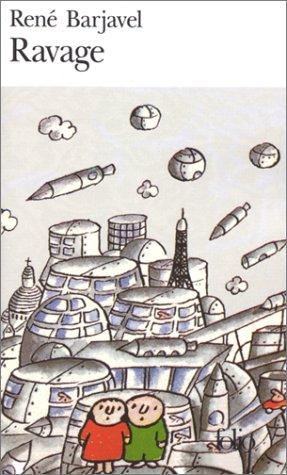
Ravage
1943
ISBN 9782070394289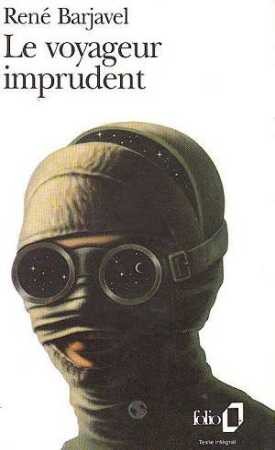
Le voyageur imprudent
1944
ISBN 9782070364855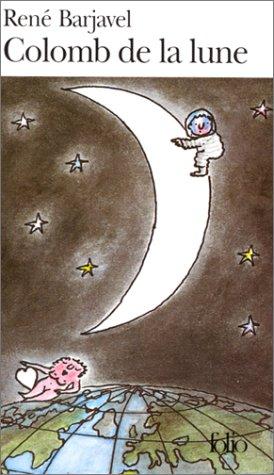
Colomb de la lune
1962
ISBN 9780785918530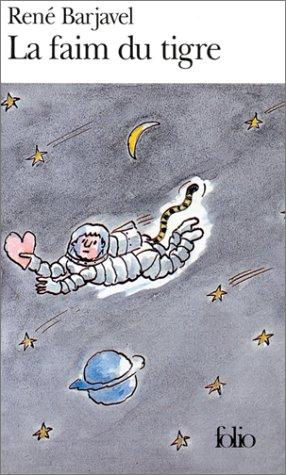
La faim du tigre
1966
ISBN 9780785918356
The Ice People
1972
ISBN 9780583120692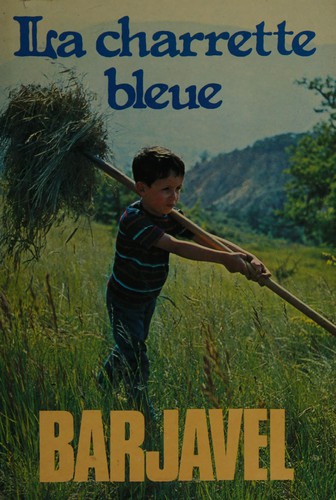
La charrette bleue
1980
ISBN 9782070374069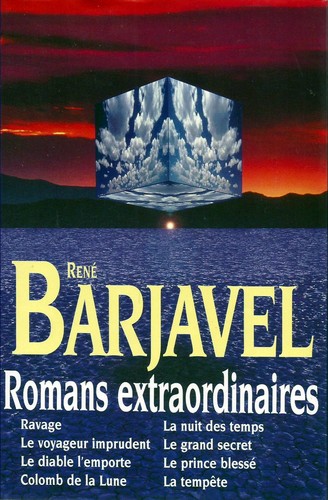
Romans extraordinaires
1996
ISBN 9782724294934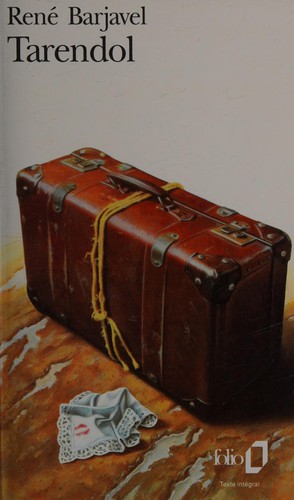
Tarendol
1946
ISBN 9780785917076
Journal d'un homme simple
1951
ISBN 9782207202357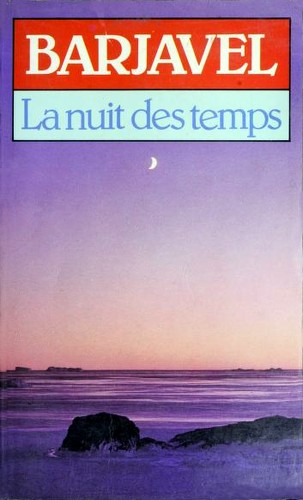
La Nuit des temps
1968
ISBN 9789500416696
Les chemins de Katmandou
1969
ISBN 9782266025843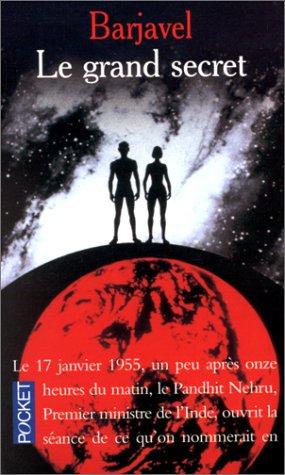
Le Grand Secret
1973
ISBN 9780345246264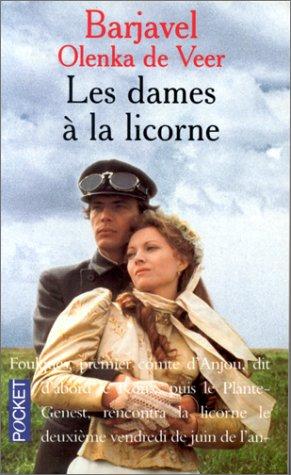
Les dames à la licorne
1974
ISBN 9782258009875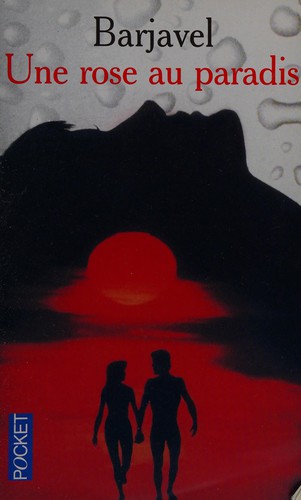
Une rose au paradis
1981
ISBN 9783552035003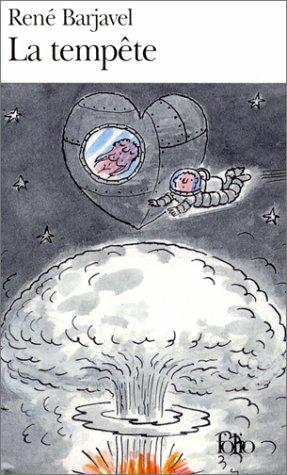
La Tempête
1982
ISBN 9782070376964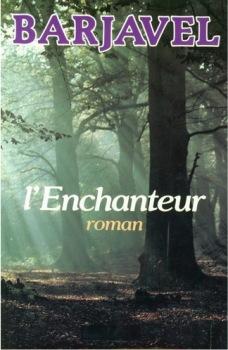
L' enchanteur
1984
ISBN 9780785920656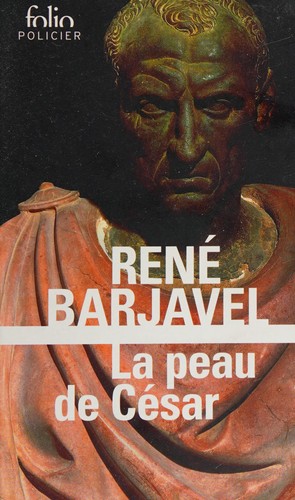
La peau de César
1985
ISBN 9782715213494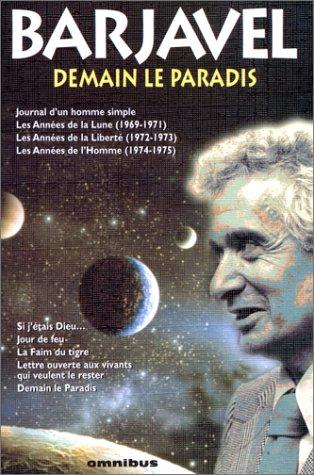
Demain le Paradis
1986
ISBN 9782207232057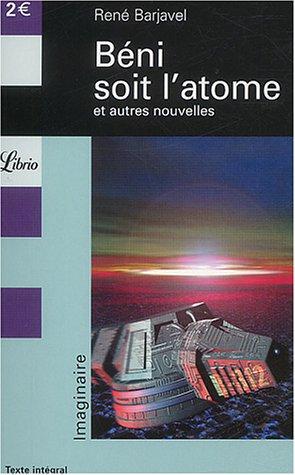
Béni soit l'atome et autres nouvelles
1998
ISBN 9782290336816