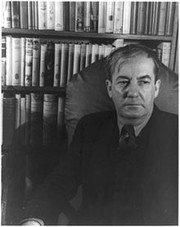
Sherwood Anderson
Sherwood Anderson was born in Camden, Ohio on the 13th of September, 1876. He attended school only intermittently, while helping to support his family by working as a newsboy, housepainter, stock handler, and stable groom. At the age of 17 he moved to Chicago where he worked as a warehouse laborer and attended business classes at night. During the Spanish-American war Anderson fought in Cuba and returned after the war to Ohio, for a final year of schooling at Wittenberg College, Springfield. Anderson's two first novels were Windy McPherson’s Son (1916) and Marching Men (1917), both containing the psychological themes of inner lives of Midwestern villages, the pursuit of success and disillusionment. His third novel, Winesburg, Ohio, was "half individual tales, half long novel form", as the author himself described it. It consisted of twenty-three thematically related sketches and stories. Written in a simple, realistic language illuminated by a muted lyricism, Anderson dramatized crucial episodes in the lives of his characters. In 1921 Anderson received the first Dial Award for his contribution to American literature. After traveling extensively in Europe, he returned back to the United States, settling in New Orleans, where he shared an apartment with William Faulkner. From New Orleans Anderson moved to New York for some time, and from there finally to Marion, Virginia, where he built a country house, and worked as a farmer and journalist. In 1927 he bought both of Marion's weekly newspapers, one Republican, one Democrat, and edited them for two years. To earn extra income he continued his series of lectures throughout the country. Commissioned by Today magazine, Anderson studied the labor conditions during the Depression and collected his articles in Puzzled America (1935). Anderson's newspaper pieces were collected in Hello Towns (1929), Return to Winesburg (1967) and The Buck Fever Papers (1971). Anderson's best works influenced almost every important American writer of the next generation. He also encouraged William Faulkner and Ernest Hemingway in their writing aspirations. Anderson died of peritonitis on an unofficial good-will tour to South America, at Christobal, Canal Zone, on March 8, in 1941. --from thefreelibrary.com
Books
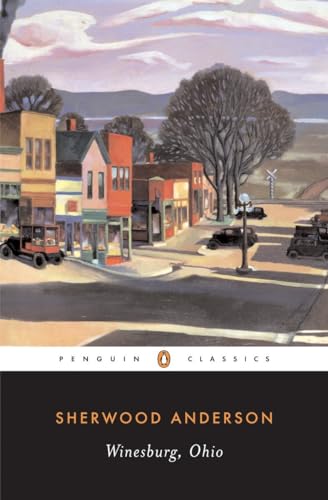
Winesburg, Ohio
1919
ISBN 9780871298041
Ethan Frome
1911
ISBN 9783986473099
Ethan Frome: and related readings
1911
ISBN 9783741877018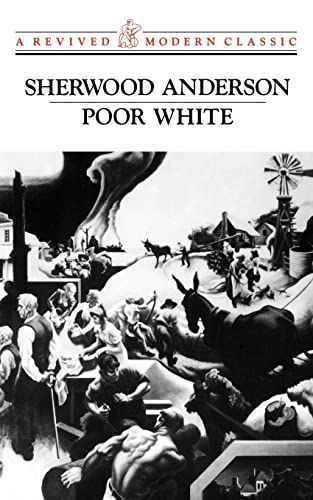
Poor White
1920
ISBN 9780811212427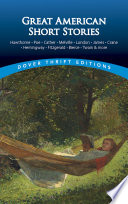
Great American Short Stories
2002
ISBN 9780486421193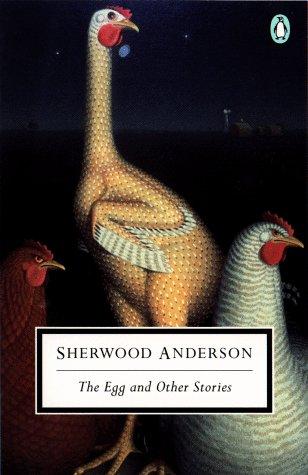
The Egg and Other Stories
1921
ISBN 9780141180793
The Penguin Book of American Short Stories
1969
ISBN 9780241952849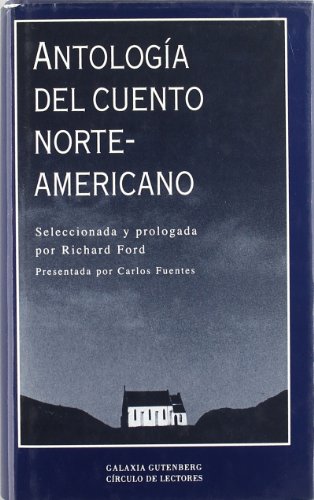
Antología del cuento norteamericano
2002
ISBN 9788481093728
Sherwood Anderson: Collected Stories
2012
ISBN 9781598532210
Death in the Woods and Other Stories
1924
ISBN 9780871401854
Modern American Short Stories
1987
ISBN 9783150092163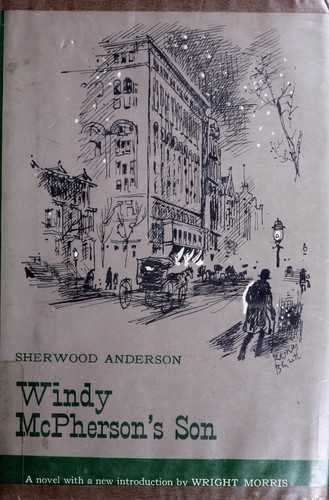
Windy McPherson's son
1916
ISBN 9781419194313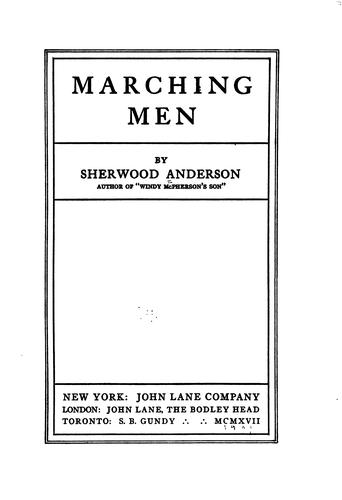
Marching Men
1917
ISBN 9781414216362
Triumph of the Egg
1957
ISBN 9781421804873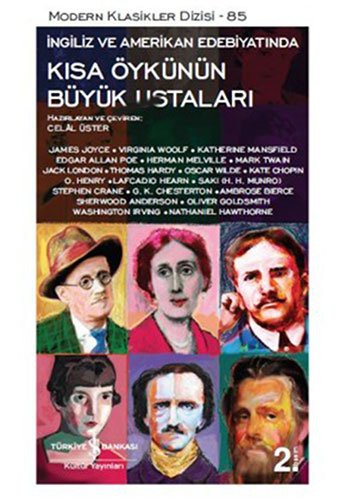
Kısa Öykünün Büyük Ustaları
2016
ISBN 9786053328919
50 Great American Short Stories
1963
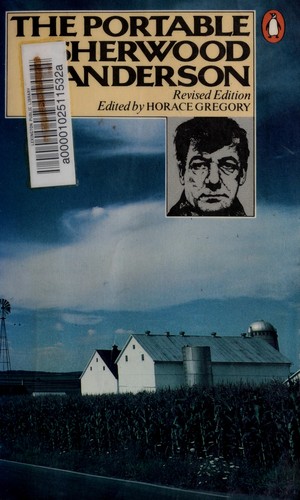
The portable Sherwood Anderson
1949
ISBN 9780670123360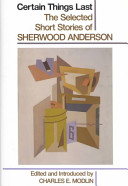
Five Stories by Sherwood Anderson
2009
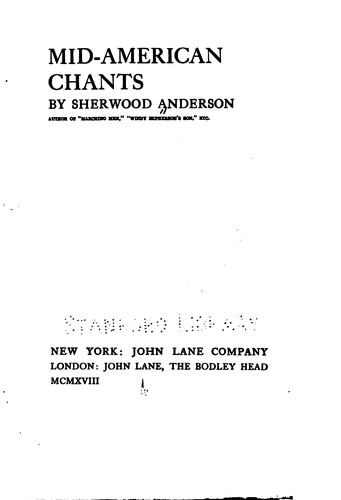
Mid-American chants
1918
ISBN 9780974450346
The triumph of the egg
1921
ISBN 9781598184266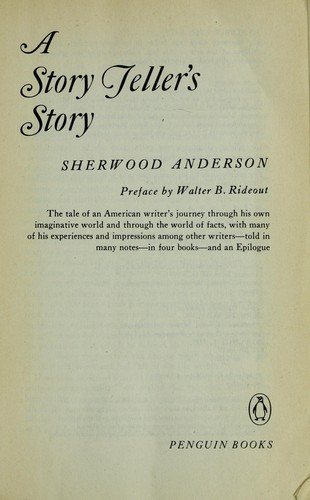
A story teller's story
1922
ISBN 9780899667300
Dark Laughter
1925
ISBN 9780871402059