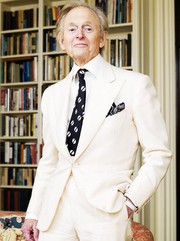
Tom Wolfe
Tom Wolfe was born and raised in Richmond, Virginia. He was educated at Washington and Lee (B.A., 1951) and Yale (Ph.D., American Studies, 1957) universities. In December 1956, he took a job as a reporter on the Springfield (Massachusetts) Union. This was the beginning of a ten-year newspaper career, most of it spent as a general assignment reporter. For six months in 1960 he served as The Washington Post's Latin American correspondent and won the Washington Newspaper Guild's foreign news prize for his coverage of Cuba. In 1962 he became a reporter for the New York Herald-Tribune and, in addition, one of the two staff writers (Jimmy Breslin was the other) of New York magazine, which began as the Herald-Tribune's Sunday supplement. While still a daily reporter for the Herald-Tribune, he completed his first book, a collection of articles about the flamboyant Sixties written for New York and Esquire and published in 1965 by Farrar, Straus, and Giroux as The Kandy-Kolored Tangerine-Flake Streamline Baby. The book became a bestseller and established Wolfe as a leading figure in the literary experiments in nonfiction that became known as New Journalism. In 1968 he published two bestsellers on the same day: The Pump House Gang, made up of more articles about life in the sixties, and The Electric Kool-Aid Acid Test, a nonfiction story of the hippie era. In 1970 he published Radical Chic & Mau-Mauing the Flak Catchers, a highly controversial book about racial friction in the United States. The first section was a detailed account of a party Leonard Bernstein gave for the Black Panthers in his Park Avenue duplex, and the second portrayed the inner workings of the government's poverty program. In 1979 Wolfe completed a book he had been at work on for more than six years, an account of the rocket airplane experiments of the post World War II era and the early space program focusing upon the psychology of the rocket pilots and the astronauts and the competition between them. The Right Stuff became a bestseller and won the American Book Award for nonfiction, the National Institute of Arts and Letters Harold Vursell Award for prose style, and the Columbia Journalism Award. "The right stuff," "radical chic," and "the Me Decade" (sometimes altered to "the Me Generation") all became popular phrases, but Wolfe seems proudest of "good ol' boy," which he introduced to the written language in a 1964 article in Esquire about Junior Johnson, the North Carolina stock car racing driver, which was called "The Last American Hero."
Books
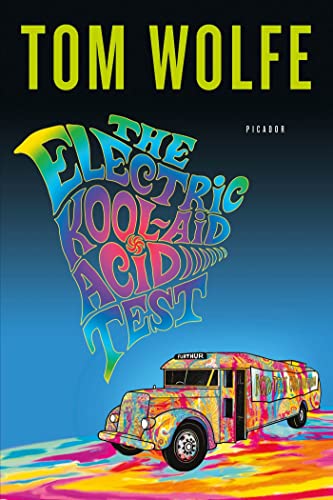
The Electric Kool-Aid Acid Test
1968
ISBN 9780553113952
The Right Stuff
2018
ISBN 9781448181971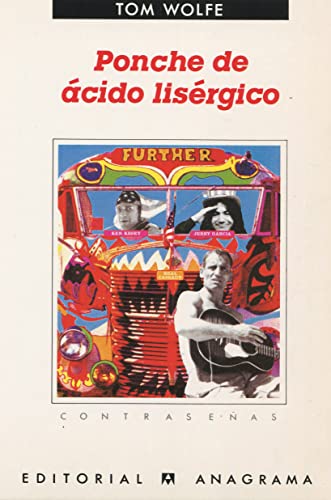
Ponche de ácido lisérgico
1968
ISBN 9788433923660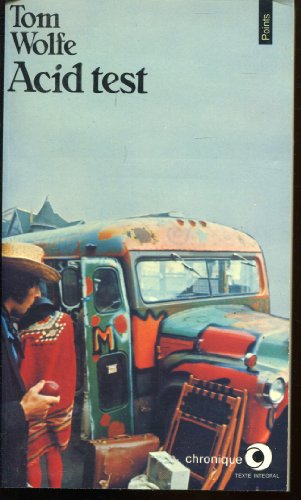
Acid Test
1968
ISBN 9782020054140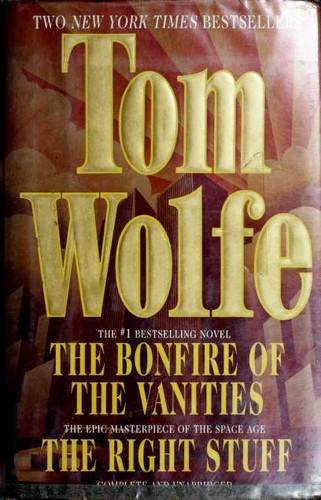
Two Complete Books (Bonfire of the Vanities / Right Stuff)
1994
ISBN 9780517119983
Way More than Luck: Commencement Speeches on Living with Bravery, Empathy, and Other Existential Skills
2015
ISBN 9781452135199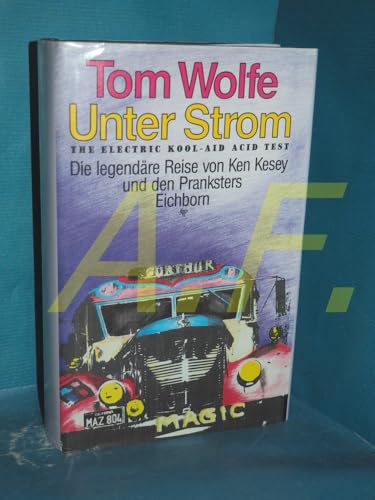
Unter Strom
1968
ISBN 9783821801728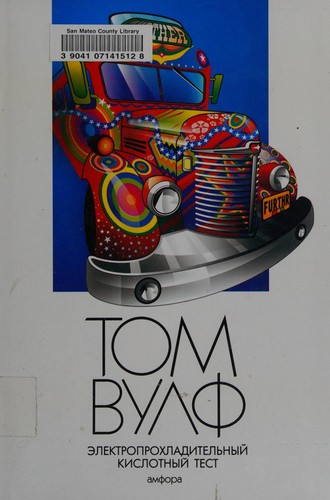
Elektroprohladitelnyy kislotnyy test
1968
ISBN 9785367002133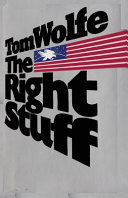
The Right Stuff Tom Wolfe
2020
ISBN 9784871871167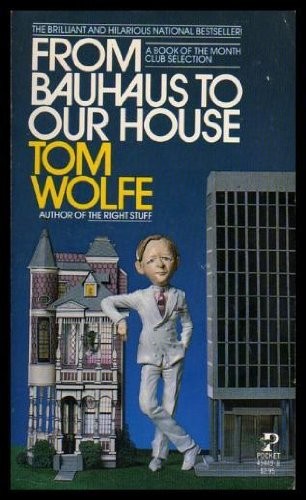
From Bauhaus to our house
1700
ISBN 9780099998709
The Bonfire of the Vanities
1920
ISBN 9780862203108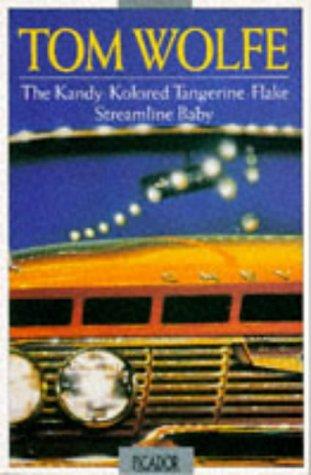
Kandy-Kolored Tangerine-Flake Streamlined Baby
1965
ISBN 9781784873721
The Pump House Gang
1966
ISBN 9780736621168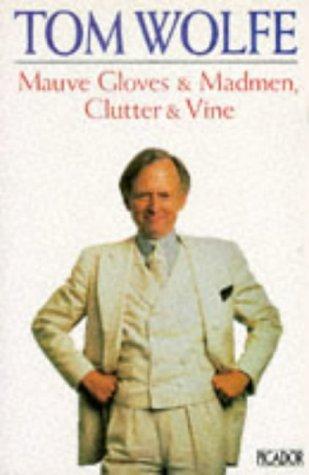
Mauve Gloves & Madmen, Clutter & Vine
1967
ISBN 9781429961226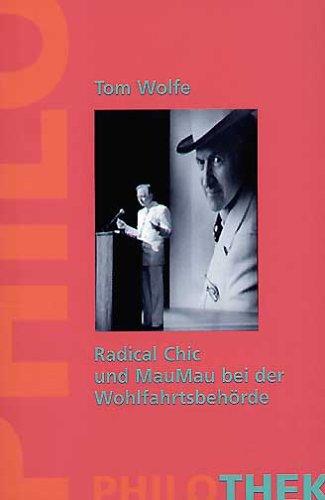
Radical Chic and Mau-Mauing the Flak Catchers
1970
ISBN 9780553144444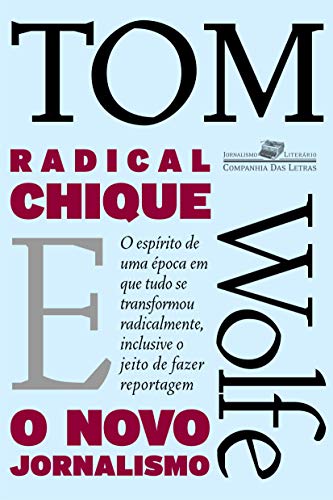
Radical chique e o novo jornalismo
1970
ISBN 9788535906059
The new journalism
1973
ISBN 9780330243155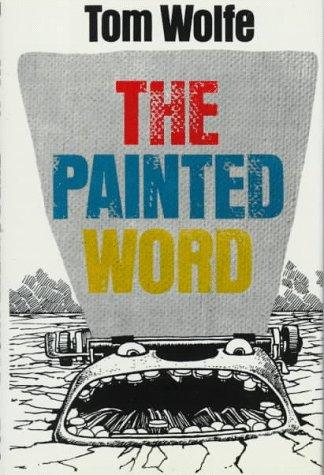
The painted word
1975
ISBN 9780553025026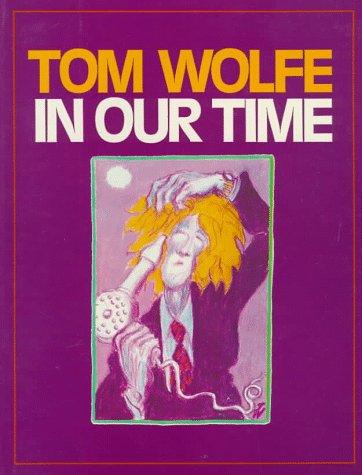
In our time
1980
ISBN 9781250352620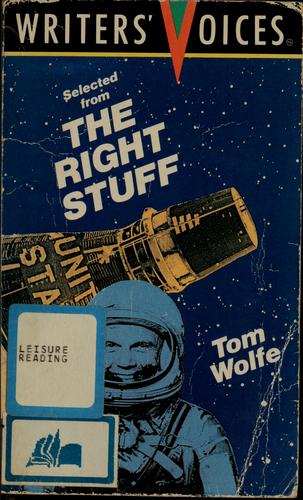
Selected from The right stuff
1991
ISBN 9780929631318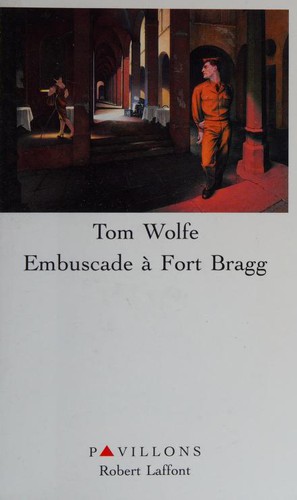
Ambush at Fort Bragg
1997
ISBN 9782744130991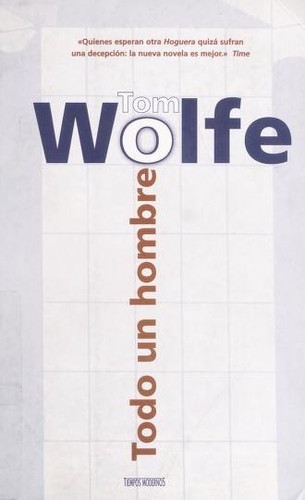
A Man in Full
1998
ISBN 9782221086100
The Electric kool-aid acid test ; The kandy-kolored tangerine-flake streamline baby ; radical chic & mau-mauing the flak catchers
1999
ISBN 9780965079921
Hooking up
2000
ISBN 9780312420239