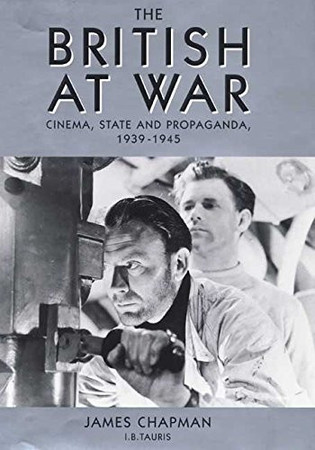
1998 · 308 pages
About this book
Product Description British film propaganda efforts during the Second World War have tended to be presented as a shambles. James Chapman argues that this is not so in this first comprehensive history of wartime film propaganda policy in Britain. He examines the role of the cinema as a vehicle of propaganda, set within its institutional, political and cultural contexts, revealing the complex relationships between the Ministry of Information and the different sectors of the film industry. The author identifies the themes and ideologies presented to audiences through analysis of key wartime films, including Forty-Ninth Parallel, In Which We Serve and The Life and Death of Colonel Blimp. He also corrects a previous misunderstanding of the role in official propaganda of short films and documentaries, demonstrating how these films were as successful as commercial feature films at carrying propaganda to the nation's cinema-goers. About the Author James Chapman is Lecturer in Film and Television Studies at The Open University.
Similar books
Rummaging the shelves…
Reviews
Loading reviews…