About this book
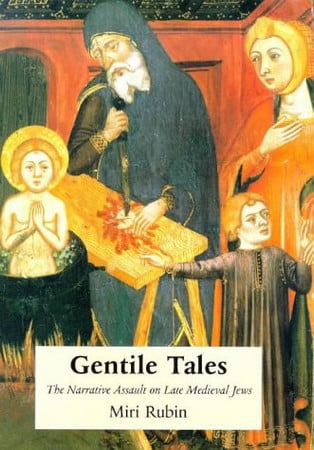
A study of the host desecration accusation as a powerful narrative about Jews that developed in late medieval Europe, showing the use of a tale in the unfolding of violence against Jews. Presents examples of various cases which erupted in the 14th-15th centuries, most frequently in the German-speaking regions, since the expulsions from England and France left the Holy Roman Empire as the home of most European Jews outside of the Iberian Peninsula. The position of Jews provided an emblematic flash-point for the eruption of tensions between towns and lords. A strong administration could ensure that a trial rather than a massacre followed, but a trial could also lead to torture, punishment and banishment. The outcome depended on the persons involved, the specific political structure, and the position of the Jews in each locality. The host desecration accusation was perpetuated in folklore and in the public memory; artifacts were enshrined and became subjects of veneration. The tale also entered medieval literature and art. However, it did not survive the Reformation, which aroused skepticism regarding miracle stories. Includes illustrations.
Similar books
Rummaging the shelves…
Reviews
Loading reviews…